

What is the lifespan of auxiliary equipment on average?
Leave a message

As a supplier of auxiliary equipment, one of the most common questions I receive from customers is about the average lifespan of these products. Understanding the lifespan of auxiliary equipment is crucial for businesses and individuals alike, as it impacts budgeting, replacement planning, and overall operational efficiency. In this blog post, I will delve into the factors that influence the lifespan of auxiliary equipment, provide some general estimates, and offer tips on how to extend the life of your equipment.
Factors Influencing the Lifespan of Auxiliary Equipment
The lifespan of auxiliary equipment can vary significantly depending on several key factors. Here are some of the most important ones:
Quality of the Equipment
The quality of the materials and manufacturing processes used in the production of auxiliary equipment plays a major role in determining its lifespan. High-quality equipment is typically built to last, using durable materials and advanced manufacturing techniques. These products are less likely to break down or experience premature wear and tear. On the other hand, lower-quality equipment may be more prone to failures and may need to be replaced more frequently.
Frequency of Use
The more frequently auxiliary equipment is used, the shorter its lifespan is likely to be. Continuous use can cause components to wear out faster, leading to increased maintenance requirements and a higher risk of breakdowns. For example, equipment that is used 24/7 in a manufacturing plant will generally have a shorter lifespan than equipment that is used only occasionally in a laboratory setting.
Operating Conditions
The environment in which auxiliary equipment operates can also have a significant impact on its lifespan. Harsh conditions such as extreme temperatures, high humidity, dust, and vibrations can accelerate the wear and tear of components. For instance, equipment used in a mining or construction site may be exposed to more dust and vibrations than equipment used in an office environment, which can lead to a shorter lifespan.
Maintenance and Care
Proper maintenance and care are essential for extending the lifespan of auxiliary equipment. Regular cleaning, lubrication, and inspection can help prevent problems before they occur and ensure that the equipment is operating at its optimal level. Neglecting maintenance can lead to the accumulation of dirt and debris, which can cause components to malfunction and reduce the overall lifespan of the equipment.
Average Lifespan of Different Types of Auxiliary Equipment
The average lifespan of auxiliary equipment can vary widely depending on the type of equipment and the factors mentioned above. Here are some general estimates for different types of auxiliary equipment:
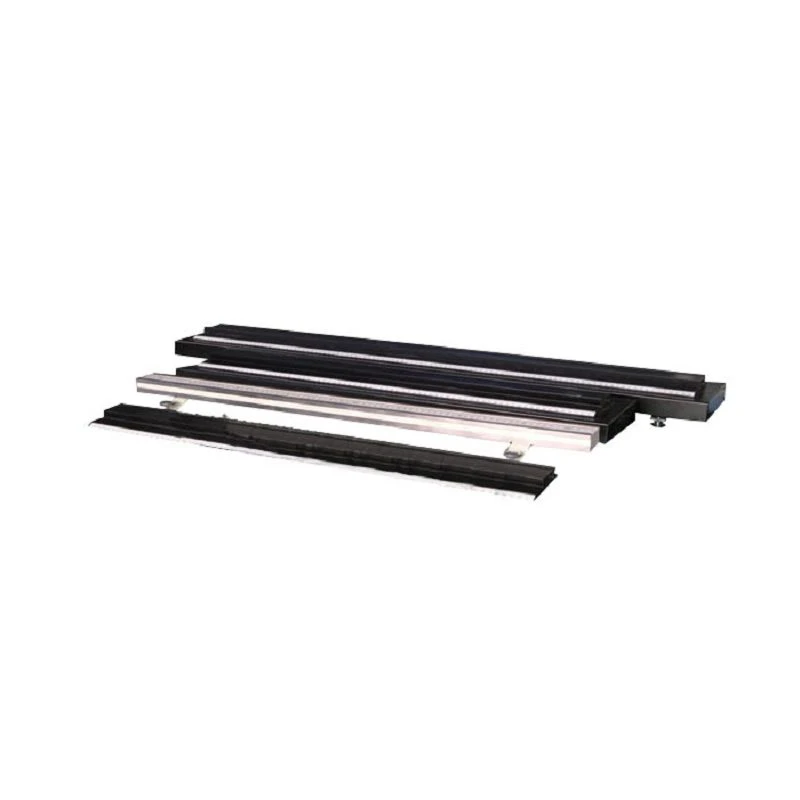
Optical Bench Accessories
Optical bench accessories, such as lenses, mirrors, and mounts, are typically made of high-quality materials and are designed to last for many years. With proper care and maintenance, these accessories can have a lifespan of 10 to 15 years or more. To learn more about our Optical Bench Accessories, please visit our website.
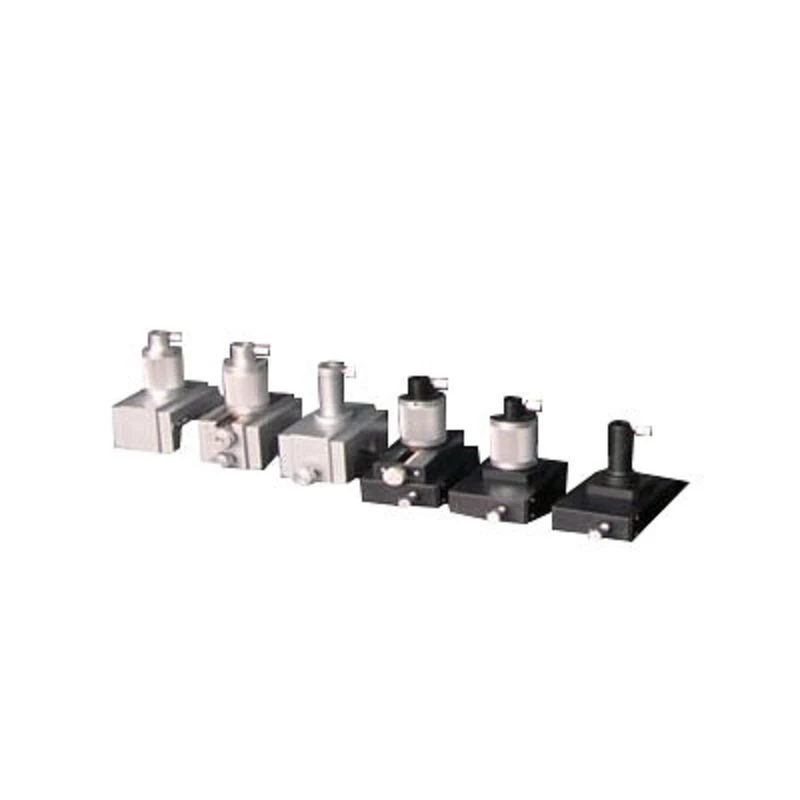
Optical Bench Equipment
Optical bench equipment, such as lasers, spectrometers, and microscopes, is more complex and may have a shorter lifespan than accessories. On average, optical bench equipment can last for 5 to 10 years, depending on the quality of the equipment, the frequency of use, and the operating conditions. To explore our range of Optical Bench Equipment, click on the link.
Power Supplies
Power supplies are an essential component of many auxiliary equipment systems. The lifespan of a power supply can vary depending on the quality of the unit and the load it is subjected to. On average, a high-quality power supply can last for 5 to 10 years. However, if the power supply is used in a harsh environment or is overloaded, its lifespan may be significantly shorter.
Cooling Systems
Cooling systems, such as fans and heat sinks, are used to prevent auxiliary equipment from overheating. The lifespan of a cooling system can depend on the type of system, the quality of the components, and the operating conditions. On average, a cooling system can last for 3 to 5 years. Regular cleaning and maintenance can help extend the lifespan of a cooling system.
Tips for Extending the Lifespan of Auxiliary Equipment
To get the most out of your auxiliary equipment and extend its lifespan, here are some tips to keep in mind:
Choose High-Quality Equipment
Investing in high-quality auxiliary equipment is one of the best ways to ensure a long lifespan. Look for products that are made from durable materials and have a reputation for reliability. While high-quality equipment may be more expensive upfront, it can save you money in the long run by reducing the need for frequent replacements.
Follow the Manufacturer's Recommendations
The manufacturer's recommendations for use, maintenance, and care are crucial for ensuring the proper functioning and longevity of your auxiliary equipment. Make sure to read the user manual carefully and follow the instructions provided. This includes regular cleaning, lubrication, and inspection, as well as proper storage and handling.
Monitor the Operating Conditions
Keep an eye on the operating conditions of your auxiliary equipment, such as temperature, humidity, and vibration levels. If the conditions are outside the recommended range, take steps to correct them. For example, if the equipment is operating in a high-temperature environment, consider installing additional cooling systems.
Perform Regular Maintenance
Regular maintenance is essential for extending the lifespan of auxiliary equipment. This includes cleaning, lubricating, and inspecting the equipment on a regular basis. Make sure to use the appropriate cleaning agents and lubricants, and follow the manufacturer's recommendations for maintenance intervals.
Train Your Staff
If your auxiliary equipment is used by multiple people, make sure to train your staff on how to use and maintain the equipment properly. This can help prevent damage caused by improper use and ensure that the equipment is being used in the most efficient way possible.
Conclusion
In conclusion, the lifespan of auxiliary equipment can vary depending on several factors, including the quality of the equipment, the frequency of use, the operating conditions, and the maintenance and care provided. By understanding these factors and following the tips outlined in this blog post, you can extend the lifespan of your auxiliary equipment and get the most out of your investment.
If you are in the market for auxiliary equipment or have any questions about the lifespan of our products, please feel free to contact us. Our team of experts is here to help you find the right equipment for your needs and provide you with the support and guidance you need to ensure its long-term performance.
References
- Manufacturer's product manuals and specifications
- Industry research and reports on auxiliary equipment lifespan
- Personal experience and observations as an auxiliary equipment supplier


