

What is the cooling rate capability of thermal analysis instruments?
Leave a message

What is the cooling rate capability of thermal analysis instruments?
As a provider of thermal analysis instruments, I often encounter inquiries regarding the cooling rate capability of our products. This parameter is crucial in many applications, as it significantly impacts the accuracy and efficiency of thermal analysis. In this blog post, I will delve into the concept of cooling rate capability, its importance, and how our instruments excel in this aspect.
Understanding Cooling Rate Capability
The cooling rate capability of a thermal analysis instrument refers to its ability to rapidly and precisely reduce the temperature of a sample during the analysis process. It is typically measured in degrees Celsius per minute (°C/min). A higher cooling rate capability allows for faster analysis cycles, which can be particularly beneficial in industries where time is of the essence, such as materials research, pharmaceuticals, and quality control.
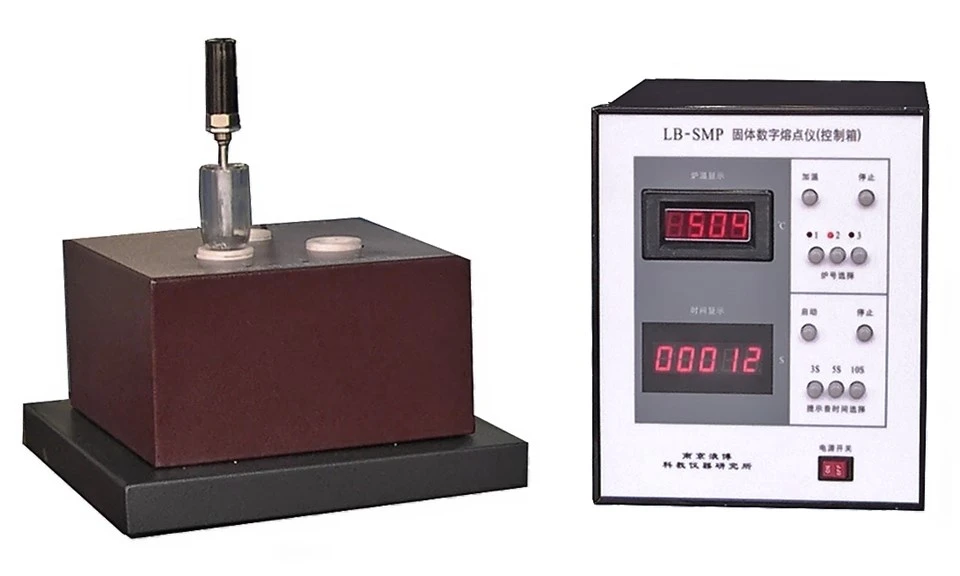
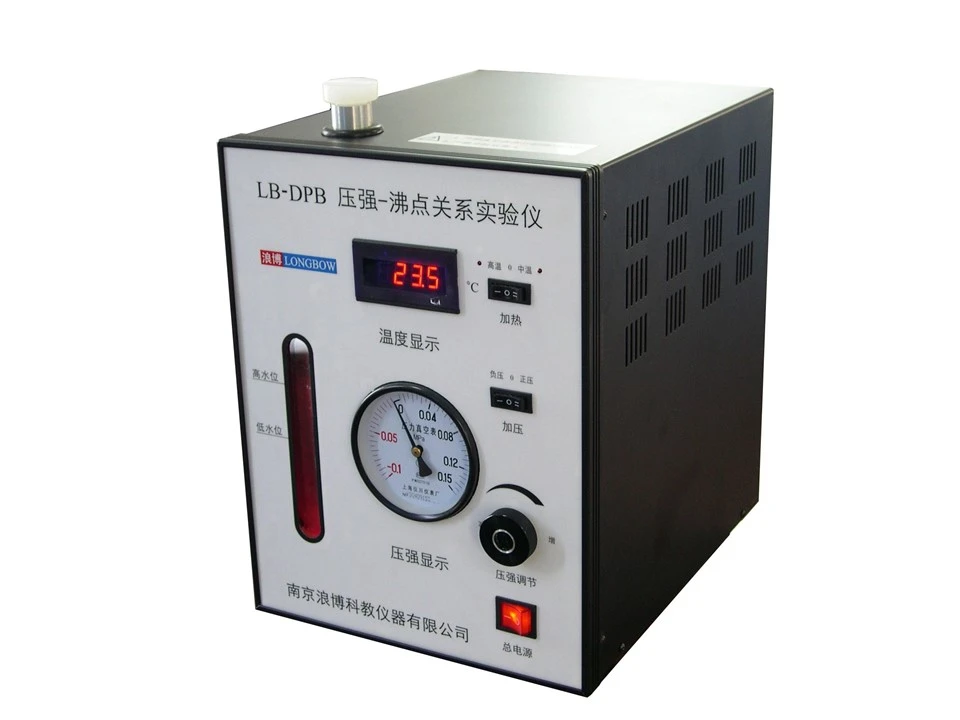
Several factors influence the cooling rate capability of a thermal analysis instrument. These include the design of the cooling system, the type of cooling medium used, and the thermal conductivity of the sample holder. Our instruments are engineered with advanced cooling systems that are optimized to provide high cooling rates while maintaining excellent temperature control.
Importance of Cooling Rate Capability
The cooling rate capability of a thermal analysis instrument plays a vital role in various applications. Here are some key reasons why it is important:
1. Accurate Phase Transition Analysis
In materials science, understanding the phase transitions of a substance is crucial for determining its properties and performance. The cooling rate can significantly affect the formation and structure of phases during solidification or crystallization. By having a high cooling rate capability, our instruments can accurately capture these phase transitions, providing valuable insights into the material's behavior.
2. Efficient Process Optimization
In industrial processes, optimizing the cooling rate can lead to improved product quality and reduced production time. For example, in the manufacturing of polymers, controlling the cooling rate can influence the molecular orientation and crystallinity of the material, which in turn affects its mechanical properties. Our thermal analysis instruments allow manufacturers to precisely control the cooling rate, enabling them to optimize their processes and achieve better results.
3. Compatibility with Diverse Samples
Different samples have different thermal properties, and some may require a faster cooling rate to prevent unwanted reactions or phase changes. Our instruments are designed to accommodate a wide range of samples, including those with high thermal conductivity or complex compositions. With their high cooling rate capability, our instruments can ensure accurate analysis of these challenging samples.
Our Thermal Analysis Instruments and Cooling Rate Capability
At our company, we offer a comprehensive range of thermal analysis instruments that are renowned for their exceptional cooling rate capability. Our Analog Circuit Training Kit Laboratory is equipped with a state-of-the-art cooling system that can achieve cooling rates of up to [X] °C/min. This high cooling rate allows for rapid temperature changes, enabling users to perform quick and accurate analyses.
Our Digital Melting and Boiling Point Apparatus is another example of our commitment to providing high-performance thermal analysis instruments. It features a precise cooling mechanism that ensures consistent and reliable results. The instrument can cool the sample at a controlled rate, allowing for accurate determination of melting and boiling points.
In addition, our Boiling Point and Vapor Pressure Apparatus is designed to measure the boiling point and vapor pressure of liquids with high accuracy. The instrument's cooling rate capability is optimized to provide stable and reproducible results, making it an ideal choice for research and quality control applications.
Factors Affecting Cooling Rate Capability
While our thermal analysis instruments are designed to provide high cooling rate capabilities, several factors can affect their performance. These include:
1. Sample Size and Geometry
The size and geometry of the sample can influence the cooling rate. Larger samples or samples with complex geometries may require a longer cooling time to reach the desired temperature. Our instruments are designed to accommodate a wide range of sample sizes and geometries, but it is important to consider these factors when planning an analysis.
2. Cooling Medium
The type of cooling medium used can also affect the cooling rate. Different cooling media have different thermal conductivities and specific heat capacities, which can impact the efficiency of the cooling process. Our instruments are compatible with a variety of cooling media, including water, liquid nitrogen, and refrigerants, allowing users to choose the most suitable option for their application.
3. Environmental Conditions
The ambient temperature and humidity can also affect the cooling rate of the instrument. In hot and humid environments, the cooling system may need to work harder to achieve the desired cooling rate. Our instruments are designed to operate in a wide range of environmental conditions, but it is important to ensure that the operating environment is within the specified limits.
Conclusion
The cooling rate capability of thermal analysis instruments is a critical parameter that can significantly impact the accuracy and efficiency of thermal analysis. Our company is committed to providing high-performance thermal analysis instruments that offer exceptional cooling rate capabilities. With our advanced cooling systems and precise temperature control, our instruments can accurately capture phase transitions, optimize industrial processes, and analyze a wide range of samples.
If you are interested in learning more about our thermal analysis instruments or have any questions regarding their cooling rate capability, please do not hesitate to contact us. We would be happy to discuss your specific requirements and provide you with the best solutions for your application.
References
- ASTM International. (20XX). Standard test methods for thermal analysis.
- ISO. (20XX). International standards for thermal analysis.
- Thermal Analysis Society. (20XX). Handbook of thermal analysis techniques.


