

What communication interfaces does the Work Function Experiment Apparatus support?
Leave a message

As a supplier of the Work Function Experiment Apparatus, I am often asked about the communication interfaces supported by this remarkable piece of scientific equipment. In this blog post, I will delve into the details of the communication interfaces available with the Work Function Experiment Apparatus, highlighting their features and benefits.
Understanding the Work Function Experiment Apparatus
Before we explore the communication interfaces, let's briefly understand what the Work Function Experiment Apparatus is. The Work Function Experiment Apparatus is a sophisticated device designed for conducting experiments related to the work function of materials. The work function is a fundamental property of a material that represents the minimum energy required to remove an electron from the material's surface. This apparatus allows researchers and students to measure the work function of different materials accurately, providing valuable insights into the electronic properties of materials.
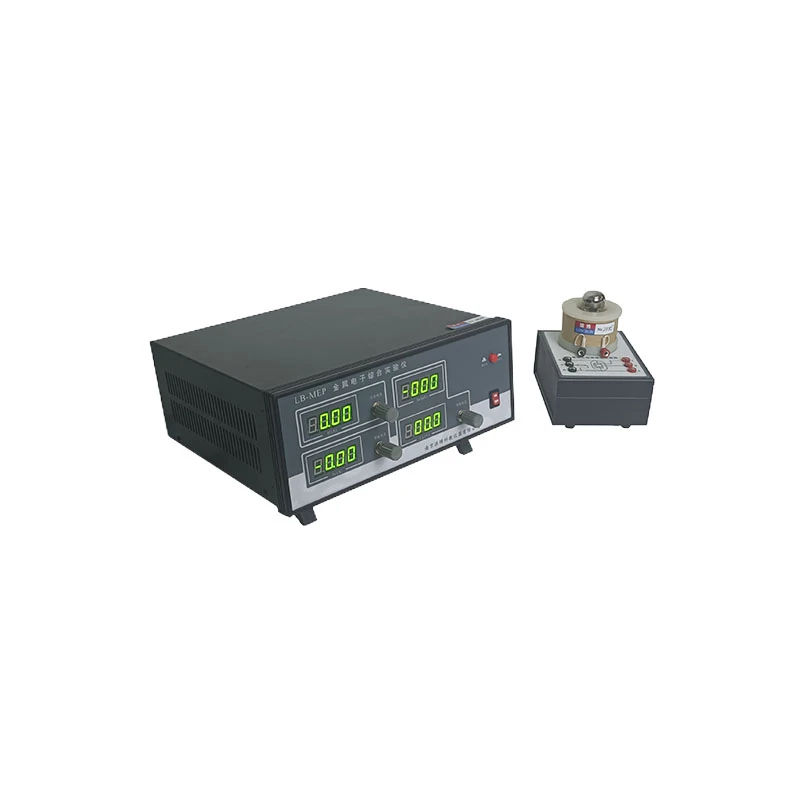
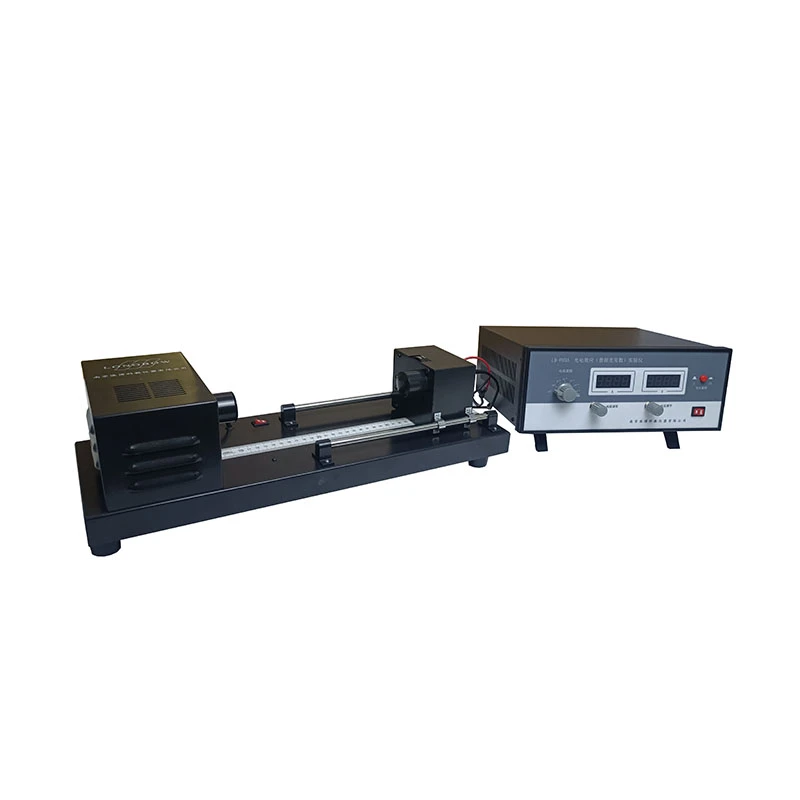
Communication Interfaces Supported by the Work Function Experiment Apparatus
The Work Function Experiment Apparatus is equipped with several communication interfaces, each designed to meet different requirements and to facilitate seamless data transfer between the apparatus and other devices.
USB Interface
The Universal Serial Bus (USB) interface is one of the most commonly used communication interfaces in modern electronic devices, and the Work Function Experiment Apparatus is no exception. The USB interface provides a high-speed and reliable connection between the apparatus and a computer or other USB-enabled devices.
One of the main advantages of the USB interface is its ease of use. It uses a standardized connector, which means that you can easily connect the apparatus to your computer without the need for any additional adapters. The USB interface also supports plug-and-play functionality, allowing the computer to automatically detect and configure the apparatus when it is connected.
In terms of data transfer, the USB interface offers high-speed data transfer rates, which is crucial for quickly transferring large amounts of experimental data from the apparatus to the computer. This enables real-time data analysis and monitoring, enhancing the efficiency and productivity of the experiments.
RS-232 Interface
The RS-232 interface is an older but still widely used serial communication interface. It provides a reliable way to communicate between the Work Function Experiment Apparatus and a computer or other serial devices. The RS-232 interface uses a serial communication protocol, which means that data is transmitted one bit at a time.
One of the key benefits of the RS-232 interface is its long-distance communication capability. It can support communication over relatively long distances, making it suitable for applications where the apparatus needs to be located far from the control computer. Additionally, the RS-232 interface is highly reliable and can operate in harsh environments, making it a popular choice for industrial and scientific applications.
However, the RS-232 interface has some limitations compared to the USB interface. It has a relatively low data transfer rate, which means that it may take longer to transfer large amounts of data. It also requires a special serial cable and may need additional configuration on the computer to establish a connection.
Ethernet Interface
The Ethernet interface is a popular choice for networked communication. It allows the Work Function Experiment Apparatus to be connected to a local area network (LAN) or the internet, enabling remote access and control.
With the Ethernet interface, multiple users can access the apparatus simultaneously from different locations, which is particularly useful for collaborative research projects. It also allows for easy integration with other networked devices, such as data servers and cloud storage systems.
The Ethernet interface offers high-speed data transfer rates, similar to the USB interface, and supports the use of standard network protocols, such as TCP/IP. This makes it easy to set up and manage the network connection, and it provides a reliable and secure way to transfer data.
Comparison of Communication Interfaces
Each communication interface has its own advantages and disadvantages, and the choice of interface depends on the specific requirements of the experiment. The following table provides a comparison of the three communication interfaces supported by the Work Function Experiment Apparatus:
| Interface | Data Transfer Rate | Distance | Ease of Use | Compatibility |
|---|---|---|---|---|
| USB | High | Short | Easy | Widely Compatible |
| RS-232 | Low | Long | Moderate | Limited Compatibility |
| Ethernet | High | Long | Moderate | Requires Network Infrastructure |
Related Apparatus
In addition to the Work Function Experiment Apparatus, we also offer other high-quality physics experiment apparatus. The Frank-Hertz Experiment Apparatus is used to study the quantization of atomic energy levels, providing valuable insights into the quantum nature of atoms. The Apparatus for Photoelectric Effect Experiment allows researchers and students to investigate the photoelectric effect, which played a crucial role in the development of quantum theory.
Conclusion
The Work Function Experiment Apparatus is a versatile and powerful tool for conducting experiments related to the work function of materials. The various communication interfaces supported by the apparatus provide flexibility and convenience, allowing users to choose the most suitable interface for their specific needs. Whether you need a high-speed, short-distance connection or a long-distance, networked communication, the Work Function Experiment Apparatus has an interface that will meet your requirements.
If you are interested in purchasing the Work Function Experiment Apparatus or any of our other physics experiment apparatus, please feel free to contact us for more information and to discuss your specific needs. Our team of experts is always available to provide you with professional advice and support.
References
- Some relevant textbooks on experimental physics
- Technical specifications of the Work Function Experiment Apparatus provided by the manufacturer


