

How to transport a thermal conductivity apparatus?
Leave a message

Transporting a thermal conductivity apparatus is a task that requires careful planning and execution. As a supplier of these apparatuses, I've seen firsthand the importance of getting the transportation right. In this blog, I'll share some tips on how to transport a thermal conductivity apparatus safely and effectively.
Understanding the Apparatus
Before you start thinking about transportation, it's crucial to understand the thermal conductivity apparatus you're dealing with. These apparatuses are usually delicate and sensitive to shock, vibration, and temperature changes. They often contain precision components that can be easily damaged if not handled properly.
The thermal conductivity apparatus measures the ability of a material to conduct heat. It typically consists of a sample holder, a heat source, a temperature sensor, and a data acquisition system. Some apparatuses may also include additional features such as a vacuum chamber or a cooling system.
Pre - Transportation Preparation
Inspection
First things first, you need to inspect the apparatus thoroughly. Check for any visible damage, loose parts, or signs of wear and tear. Make sure all the components are in good working condition. If you find any issues, it's best to fix them before transportation. This will prevent further damage during the journey and ensure that the apparatus is ready for use once it reaches its destination.
Cleaning
Clean the apparatus to remove any dust, debris, or contaminants. A clean apparatus is less likely to experience problems during transportation. Use a soft, dry cloth to wipe the exterior surfaces. For the internal components, follow the manufacturer's instructions on how to clean them properly.
Disassembly (if necessary)
In some cases, it may be necessary to disassemble the apparatus for easier transportation. However, this should be done with extreme caution. Make sure you keep track of all the parts and their original positions. Label each part clearly and store them in a secure container. If you're not confident in disassembling the apparatus, it's better to leave it intact and use proper padding to protect it.
Choosing the Right Packaging
Padding
The key to protecting the thermal conductivity apparatus during transportation is proper padding. Use high - quality padding materials such as foam, bubble wrap, or packing peanuts. Wrap each component of the apparatus individually with the padding to absorb shock and prevent damage. Place the wrapped components in a sturdy box and fill any empty spaces with additional padding to keep them in place.
Boxes
Select a box that is the right size for the apparatus. The box should be strong enough to withstand the weight of the apparatus and any external forces during transportation. If possible, use a custom - made box that is specifically designed for the thermal conductivity apparatus. This will provide a better fit and more protection.
Selecting a Transportation Method
Air Freight
Air freight is a popular option for transporting thermal conductivity apparatuses, especially for long - distance shipments. It is fast and reduces the time the apparatus is in transit, which minimizes the risk of damage. However, air freight can be expensive, and there may be restrictions on the size and weight of the package.
Ground Freight
Ground freight is a more cost - effective option, especially for local or regional shipments. It is suitable for apparatuses that are not extremely fragile or time - sensitive. However, ground transportation may involve more handling and longer transit times, which increases the risk of damage.
Courier Services
Courier services offer a convenient and reliable way to transport the apparatus. They usually provide tracking services, so you can monitor the progress of your shipment. Courier services are also more likely to handle the package with care. However, they may be more expensive than ground freight.
Temperature and Humidity Control
Thermal conductivity apparatuses are sensitive to temperature and humidity changes. During transportation, it's important to maintain a stable environment. If possible, use a temperature - controlled container or a climate - controlled vehicle. This will prevent the apparatus from being exposed to extreme temperatures or high humidity, which can damage the components.
Insurance
It's always a good idea to purchase insurance for your thermal conductivity apparatus during transportation. Accidents can happen, and insurance will provide financial protection in case the apparatus is damaged or lost. Make sure you understand the terms and conditions of the insurance policy and declare the full value of the apparatus.
Post - Transportation Checks
Once the apparatus arrives at its destination, it's important to conduct a thorough inspection. Check for any signs of damage that may have occurred during transportation. Test the apparatus to make sure it is working properly. If you find any issues, contact the transportation provider and your insurance company immediately.
Other Related Apparatuses
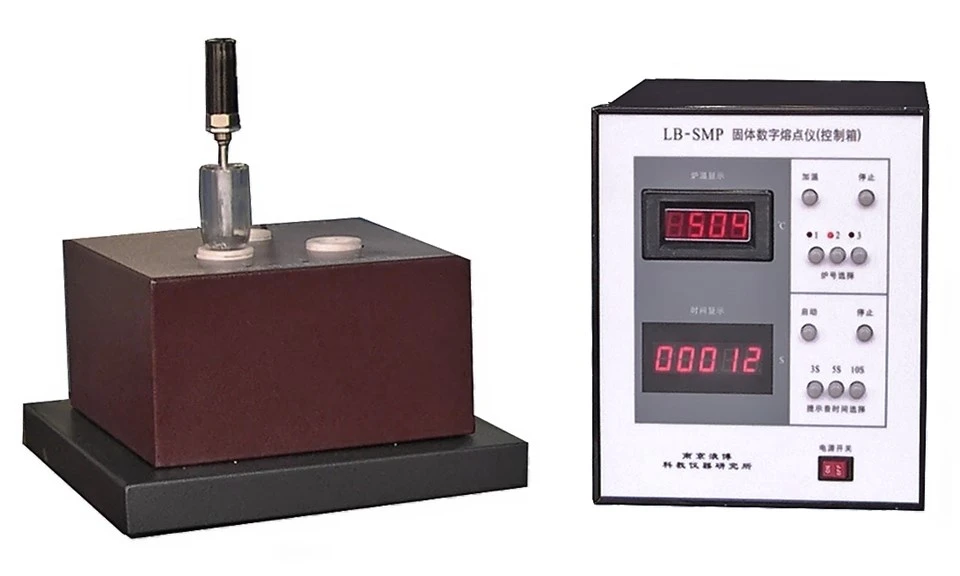
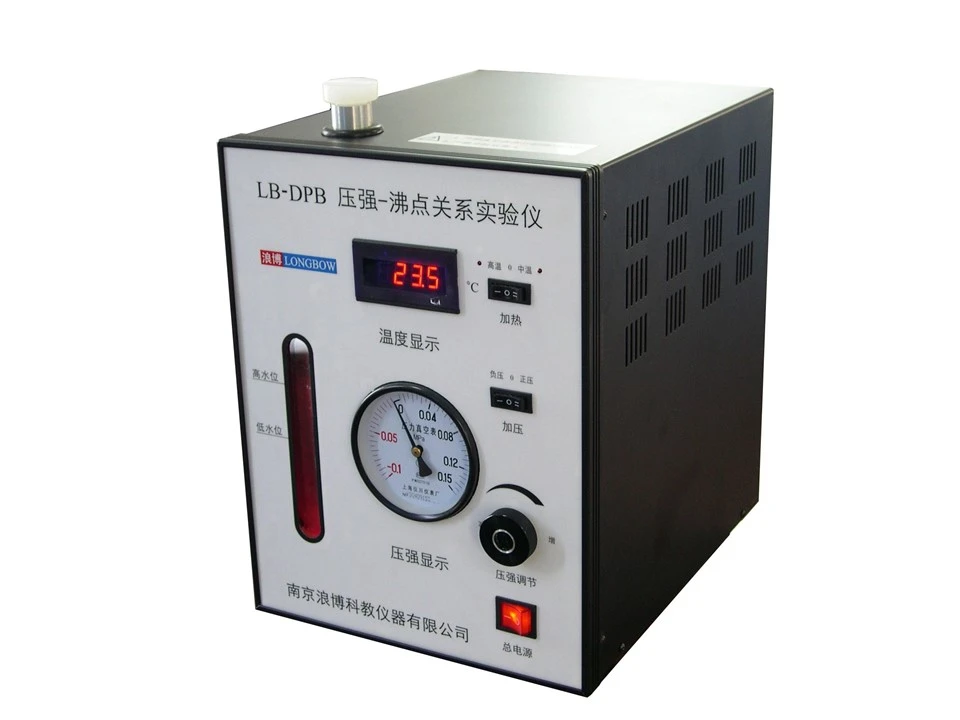
If you're interested in other thermal analysis instruments, we also offer Digital Melting and Boiling Point Apparatus and Boiling Point and Vapor Pressure Apparatus. These apparatuses are also essential for various scientific experiments and research. You can also explore our Thermal Physics Experiment Apparatus for more comprehensive thermal analysis solutions.
Contact for Purchase
If you're in the market for a thermal conductivity apparatus or any of our other products, we're here to help. We offer high - quality apparatuses at competitive prices. Contact us to discuss your specific requirements and get a quote. Our team of experts is ready to assist you with your purchase and ensure that you get the best product for your needs.
References
- General guidelines on transporting scientific equipment from industry standards.
- Manufacturer's instructions for thermal conductivity apparatuses.


