

What is the size and weight of the Zeeman Effect Experiment Apparatus?
Leave a message

What is the size and weight of the Zeeman Effect Experiment Apparatus?
The Zeeman Effect Experiment Apparatus is a crucial tool in the field of physics education and research. It allows students and researchers to observe and study the Zeeman effect, which is the splitting of spectral lines in the presence of a magnetic field. This phenomenon was first discovered by Pieter Zeeman in 1896 and has since become an important part of atomic physics.
As a supplier of the Zeeman Effect Experiment Apparatus, I often receive inquiries about its size and weight. These are important considerations for both educational institutions and research facilities, as they need to ensure that the apparatus can be easily transported, stored, and installed in their laboratories.
Size of the Zeeman Effect Experiment Apparatus
The size of the Zeeman Effect Experiment Apparatus can vary depending on the specific model and design. Generally, the apparatus consists of several components, including a magnet, a light source, a spectrometer, and a power supply. Each of these components has its own dimensions, and the overall size of the apparatus is determined by how these components are arranged and integrated.
The magnet is one of the largest components of the apparatus. It is typically a permanent magnet or an electromagnet, and its size is determined by the strength of the magnetic field it can generate. A stronger magnetic field requires a larger magnet, which can increase the overall size of the apparatus. The magnet can range in size from a few centimeters to several meters, depending on the application.
The light source is another important component of the apparatus. It can be a discharge tube, a laser, or a lamp, and its size is determined by the type and intensity of the light it emits. A more powerful light source may require a larger housing, which can also contribute to the overall size of the apparatus.
The spectrometer is used to analyze the spectral lines produced by the light source in the presence of the magnetic field. It typically consists of a diffraction grating or a prism, and its size is determined by the resolution and accuracy it can provide. A higher resolution spectrometer may require a larger optical system, which can increase the overall size of the apparatus.
The power supply is used to provide the necessary electrical energy to the magnet, the light source, and the spectrometer. It can be a battery, a power adapter, or a generator, and its size is determined by the power requirements of the apparatus. A more powerful power supply may require a larger housing, which can also contribute to the overall size of the apparatus.
In general, the Zeeman Effect Experiment Apparatus can range in size from a small tabletop device to a large floor-standing system. The size of the apparatus is often a trade-off between the performance and the portability. A smaller apparatus may be more portable and easier to install, but it may also have a lower performance. A larger apparatus may have a higher performance, but it may also be more difficult to transport and install.
Weight of the Zeeman Effect Experiment Apparatus
The weight of the Zeeman Effect Experiment Apparatus is also an important consideration. It can affect the ease of transportation, the stability of the apparatus, and the safety of the users. The weight of the apparatus is determined by the materials used in its construction, the size of its components, and the number of components it has.
The magnet is one of the heaviest components of the apparatus. It is typically made of a ferromagnetic material, such as iron or steel, and its weight is determined by the size and strength of the magnetic field it can generate. A stronger magnetic field requires a larger magnet, which can increase the weight of the apparatus. The magnet can range in weight from a few kilograms to several tons, depending on the application.
The light source, the spectrometer, and the power supply also contribute to the weight of the apparatus. The light source may be a heavy discharge tube or a laser, the spectrometer may be a large optical system, and the power supply may be a heavy battery or a generator. The weight of these components can vary depending on their type and size.
In general, the Zeeman Effect Experiment Apparatus can range in weight from a few kilograms to several tons. The weight of the apparatus is often a trade-off between the performance and the portability. A lighter apparatus may be more portable and easier to install, but it may also have a lower performance. A heavier apparatus may have a higher performance, but it may also be more difficult to transport and install.
Comparison with Other Experiment Apparatus
When considering the size and weight of the Zeeman Effect Experiment Apparatus, it is also useful to compare it with other experiment apparatus in the field of physics. For example, the Newton's Ring Experiment Apparatus is a relatively small and lightweight device that is used to study the interference patterns produced by a thin film of air between a convex lens and a flat glass plate. It typically consists of a lens, a glass plate, and a light source, and its size and weight are much smaller than those of the Zeeman Effect Experiment Apparatus.

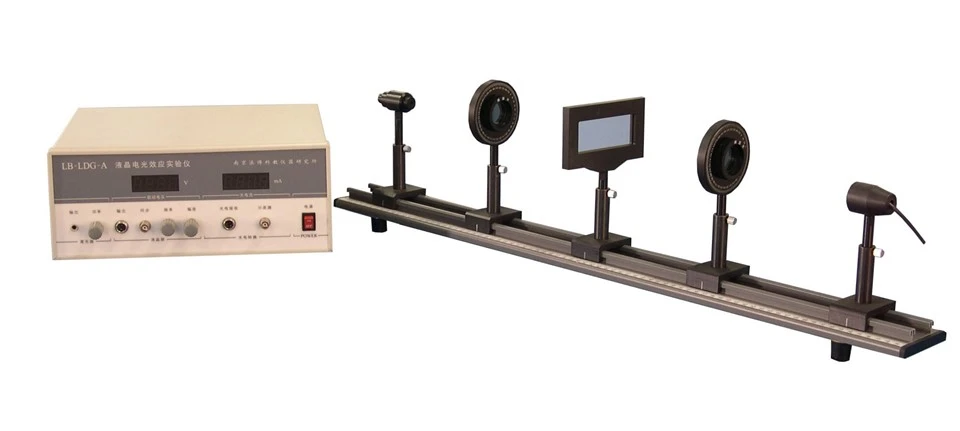
The Experimental System for LC Electro‑Optic Effect is another experiment apparatus that is used to study the electro-optic effect of liquid crystals. It typically consists of a liquid crystal cell, a power supply, and a light source, and its size and weight are also relatively small compared to those of the Zeeman Effect Experiment Apparatus.
The Diffraction Intensity Measurement Apparatus is used to measure the intensity of diffraction patterns produced by a diffraction grating or a slit. It typically consists of a diffraction grating, a light source, and a detector, and its size and weight are also relatively small compared to those of the Zeeman Effect Experiment Apparatus.
The Prism and Lens Experiment Set is a set of optical components that is used to study the refraction and dispersion of light. It typically consists of a prism, a lens, and a light source, and its size and weight are also relatively small compared to those of the Zeeman Effect Experiment Apparatus.
The Speed Of Light Measurement Apparatus is used to measure the speed of light in a vacuum or in a medium. It typically consists of a light source, a detector, and a timing device, and its size and weight can vary depending on the specific design and application.
Conclusion
In conclusion, the size and weight of the Zeeman Effect Experiment Apparatus can vary depending on the specific model and design. The apparatus consists of several components, including a magnet, a light source, a spectrometer, and a power supply, and the overall size and weight are determined by how these components are arranged and integrated. The size and weight of the apparatus are often a trade-off between the performance and the portability. A smaller and lighter apparatus may be more portable and easier to install, but it may also have a lower performance. A larger and heavier apparatus may have a higher performance, but it may also be more difficult to transport and install.
If you are interested in purchasing a Zeeman Effect Experiment Apparatus, or any of the other experiment apparatus mentioned in this blog, please feel free to contact us for more information and to discuss your specific requirements. We are a leading supplier of high-quality physics experiment apparatus, and we are committed to providing our customers with the best products and services.
References
- Zeeman, P. (1896). On the influence of magnetism on the nature of the light emitted by a substance. Philosophical Magazine, 43(262), 226-239.
- Serway, R. A., & Jewett, J. W. (2018). Physics for Scientists and Engineers with Modern Physics. Cengage Learning.
- Halliday, D., Resnick, R., & Walker, J. (2014). Fundamentals of Physics. Wiley.


